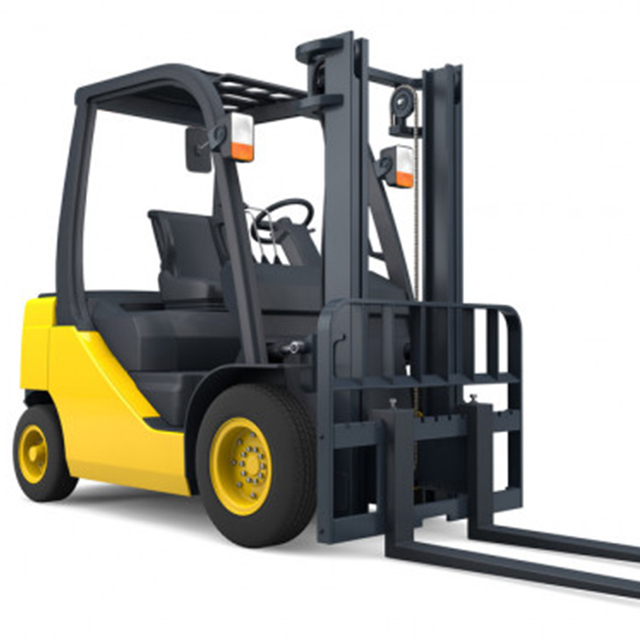
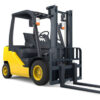
This class will cover the use of forklifts and powered industrial trucks, including Class 4 and Class 5 sit down counterbalanced trucks. Topics covered shall include forklift safety, the differences between motor vehicles and forklifts, limitations of use and overall safety requirements when operating forklifts. Topics to include:
- Training requirements
- Differences between a vehicle and a forklift
- Elements of a forklift
- Maintenance and inspections
- Limitations and lift characteristics
- How to operate and vehicle stability
- Jobsite operations
- Refueling
- How to handle different loads
- Operating on slope or hills
- Operating in hazardous locations
- Refresher training requirements
Powered Industrial Truck Classes Covered
This course covers all seven OSHA powered industrial truck classes:
- Class 1 (Class I): Electric motor rider trucks
- Class 2 (Class II): Electric motor narrow aisle trucks
- Class 3 (Class III): Electric motor hand trucks and hand/rider trucks
- Class 4 (Class IV): Internal combustion engine trucks with cushion tires, sit down counterbalanced
- Class 5 (Class V): Internal combustion engine trucks with pneumatic tires, sit down counterbalanced
- Class 6 (Class VI): Electric and internal combustion engine tractors
- Class 7 (Class VII): Rough terrain forklift trucks
Class 4 and Class 5 forklifts are the most common lift trucks on construction and industrial jobsites. Both are covered in full, along with every other powered industrial truck class.
Students successfully completing the course shall receive a certificate showing training that meets the requirement of WAC 296-863 (forklifts).
This course requires a knowledge test with a passing grade to receive certification.